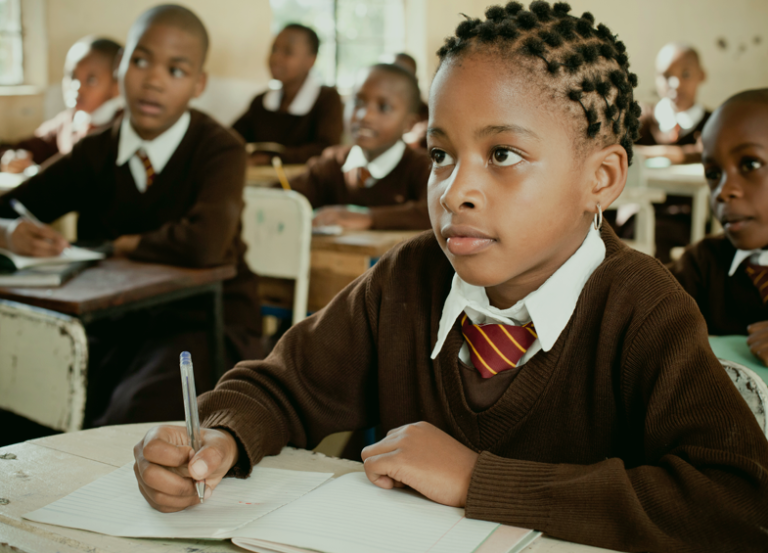
‘Enkakenya’ means dawn that brings with it possibility and the rise of change. This is the premise of Kakenya’s Dreams. You may already know the incredible story of the Kakenya Centers of Excellence, a haven where girls are nurtured to become change agents, breaking cycles of female genital mutilation and early marriage through education; and the aspects that make Kakenya great including its great leadership and remarkable infrastructure. This time, we bring you a story of the girls in Kakenya. In their words. In their time. In their truth.
From Participants to Partners
Too often, programs are designed for girls without ever asking them what they want, what they dream of, or what stands in their way. Their voices are left out of boardrooms and workplans, their dreams squeezed into templates produced by ‘experts’. But from the very beginning of RELI’s Girls’ Education Program, we were clear that we needed to build something sustainable, something transformative—and that starts by listening to the girls themselves.
The girls spoke candidly about the barriers that still stand in their way—cultural and family pressures that chip away their confidence, the silence and shame surrounding menstruation, punitive environments that leave no room for grace. They also painted vivid pictures of the schools they want to be in; where they feel respected, heard, and protected. They asked for teachers who believe in their potential, mentors who don’t just check in but walk alongside them and learning that stretches beyond the textbook into real life.
What they gave us was a vision and a roadmap for a better future, designed by the very girls who will lead us there.
Themes that Echoed
The conversations were honest, open, and at times emotional. These marked the first step in co-creating a girls’ education program with the very girls it’s meant to serve. The energy in the room was palpable. At times, the girls spoke in quiet reflection. Other moments brought shy laughter or unflinching honesty. But in every story, there was clarity, courage, and a vision for something better.
As we listened and observed, five key themes began to emerge;
- Culture and language matter: It was moving to witness how the interactions in Enkakenya reflected the girls’ cultural identity—like the gentle, respectful pat on the girls’ head by their teachers, a warm gesture of respect and nurturing in Maasai tradition. The school honours tradition mirroring their values and upbringing; speaking the language of home. That kind of cultural affirmation isn’t a detail—it’s a foundation for belonging and confidence.
- Their dreams and motivations are shaping their subject choices: “I would like to be an engineer, so I chose Integrated Science,”. This was a reminder that the curriculum is a tool for dreaming. This, however, begged the question: Is the curriculum delivered with the same urgency and care that the learners attach to it?
- Confidence is cultivated: Time and again, girls expressed a deep yearning for spaces where they could speak freely, lead confidently, and simply be themselves—without fear or judgment. Some highlighted how small, thoughtful actions like pairing high-achieving students with those who need more support fosters peer solidarity rather than competition. Others shared how the holiday camps at Enkakenya empowered them to find their voice and shape their identity. These camps provide a haven during school breaks, offering protection from risks as well as vital lessons on health, rights, and self-advocacy. Such experiences are transformative.
- Support systems matter: From parents to teachers to trusted mentors, the message from the girls was clear: they need people they can turn to when life gets heavy. They’re navigating complex challenges, and those relationships—safe, steady, and supportive—can be the difference between giving up and pressing on.
- Investing in girls is never a waste: Many spoke with gratitude about the opportunities they have received, and heartbreak for those who have not. They shared stories of girls in other schools without basic resources or of teachers who do not bother to complete the syllabus. In their voices, there was both urgency and advocacy: Every girl deserves a chance to thrive. And when given that chance, they rise.
These insights are but a blueprint and foundation for what comes next. These are the voices that shape how we co-create the program design, the systems that we will aim to transform, the partnerships we aim to build, and the metrics that will define success.
The first of many conversations
This is just the beginning. What we heard in Narok County marked the beginning of a process—one that will soon be joined by voices from Uganda and Tanzania as we continue these conversations across East Africa. Each space we enter, each girl we listen to, adds a piece to the mosaic of what girls want and deserve from their education. We carry their words with us as we continue this journey. Each insight, each story, is a building block for a program grounded in research, and in real lived experiences. Stay with us as we bring more reflections from across the region. This is the work of co-creation—slow, honest, and deeply rooted in the belief that girls know what they want. Our job is to listen, walk with them, and act.

Written by: Edith Kemunto and Irene Nyamu
Edited by: Philip Makori