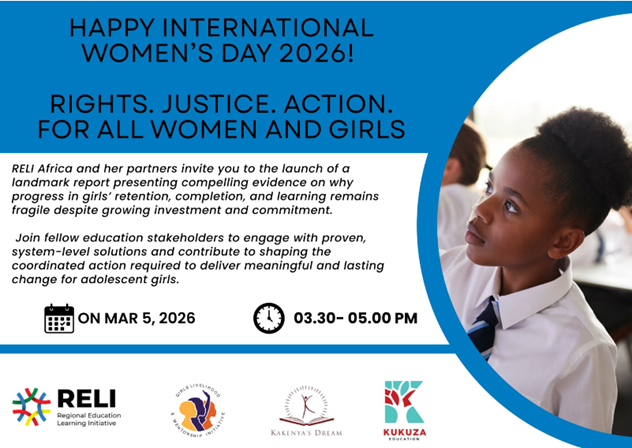
By Dr Irene Nyamu, RELI Africa CEO On 5th March...
Read MoreGirl Education Project in RELI Africa (GERAP)
The Challenge
Barriers to girls' education persist across East Africa
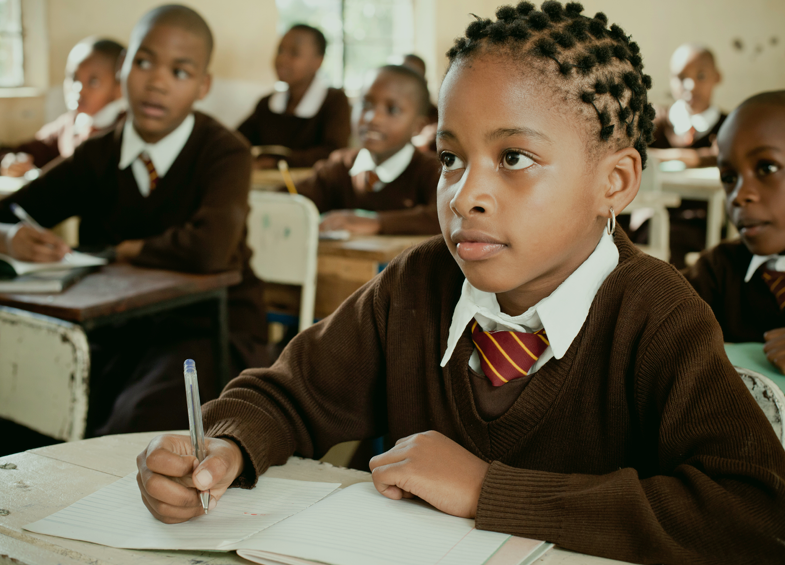
Across East Africa, many adolescent girls continue to face barriers that limit their ability to access, remain in, and succeed in school. Poverty, harmful gender norms, school-related gender-based violence, early pregnancy, and limited support systems often intersect to shape girls’ educational experiences. These challenges are further compounded for girls from marginalized communities.
At the same time, governments, civil society organizations, and communities across the region are implementing numerous initiatives to address these challenges. Yet important questions remain:
- Poverty
- Harmful gender norms
- School-related gender-based violence
- Early pregnancy
- Limited support systems
Key Questions
- What approaches truly work?
- For whom do they work?
- How can successful solutions be strengthened and scaled?
The Project
The Girls’ Education in RELI Africa Project brings together RELI Africa’s network of civil society organizations across East Africa to generate evidence, foster collaboration, and identify solutions that strengthen gender-responsive and inclusive education systems.
Rather than implementing a single program model, the initiative serves as a regional learning and collaboration platform focused on understanding the barriers affecting girls’ education and identifying practical approaches that can accelerate progress toward equitable learning outcomes.
Why This Work Matters
Bridging the gap between effort and impact
Although access to education has improved in many parts of East Africa, girls continue to face significant challenges in transitioning to secondary school, completing their education, and achieving meaningful learning outcomes.
Â
Persistent Educational Gaps
Although access to education has improved in many parts of East Africa, girls continue to face significant challenges in transitioning to secondary school, completing their education, and achieving meaningful learning outcomes.
Isolated Efforts Limit Collective Learning
Efforts to support girls’ education often operate in isolation, limiting opportunities to collectively learn from what works across contexts. The Girls’ Education in RELI Africa Project seeks to bridge this gap by generating evidence and strengthening collaboration among civil society organizations.
Elevating Girls' Voices
Girls’ voices must be elevated to inform policy and practice. The project ensures that girls’ experiences and perspectives are central to the design of policies and programs that affect their education and wellbeing.
Our Approach
Grounded in peer-learning and collaboration
The initiative is grounded in RELI Africa’s strength as a peer-learning and collaboration network. Our work is guided by five principles that shape every aspect of how we engage, learn, and act together across East Africa.
Evidence-driven
Using research and collective learning to identify effective approaches for advancing girls’ education.
Collaborative
Engaging civil society organizations and partners across the region to share knowledge and strengthen collective impact.
Community-centered
Recognizing communities as key actors in shaping solutions that support girls’ education.
Girl-centered
Ensuring girls’ experiences and perspectives inform the design of policies and programs.
Context-responsive
Promoting solutions that reflect the diverse realities of girls across East Africa.
Two Complementary Pathways
Strengthening Public Systems
01
So education policies and practices better respond to the needs of girls — ensuring that governments and institutions adopt gender-responsive approaches across East Africa.
Supporting Collective Action
02
Among civil society organizations and communities to advocate for girls’ education — mobilizing sustained support and building a movement for equitable learning outcomes.
Our Learning Agenda
What does it take to enable adolescent girls to thrive in school?
Learning is at the core of the project. We seek to answer a central question through five key learning areas that guide our collective inquiry.
Barriers & Transitions
How do economic, cultural, and social factors influence girls’ transition from primary to secondary education, and what interventions improve retention and completion?
Gender-Responsive Schools
What approaches are most effective in making schools safer, more inclusive, and more responsive to girls’ needs?
Multi-Sectoral Support
How can collaboration across education, health, and child protection systems improve outcomes for girls?
Civil Society Contributions
What strategies enable civil society organizations to effectively advance girls’ education?
Movement Building
What does it take to mobilize sustained support for adolescent girls’ education across East Africa?
Insights generated through this work will help inform stronger policies, programs, and investments that support girls’ learning and wellbeing.
Contributing to a growing body of knowledge
The Girls’ Education in RELI Africa Project generates evidence and shared learning to inform stronger policies, programs, and partnerships across East Africa. The resources produced through this work contribute to a growing body of knowledge on what works to support adolescent girls to access, remain in, and thrive in school.
Girls’ Education Baseline Study: Insights from Adolescent Girls in East Africa
This baseline report maps the policy, practice, and funding landscape...
Read More