
Introduction
Improving learning outcomes requires more than well-designed curricula, policies, or teacher training programs. It requires teachers and education practitioners to continuously learn, reflect, and adapt their practice in response to the realities of the classroom. While formal training remains important, some of the most powerful professional learning takes place when educators observe one another, exchange experiences, and reflect on real teaching and learning situations.
Peer learning provides a unique opportunity for educators to move beyond theory and engage directly with practice. By observing classrooms, interacting with teachers, and sharing experiences across organizations, education practitioners gain practical insights that can inform and strengthen their work.
This was the spirit behind a peer learning visit organized by the RELI Uganda Teacher Development and Support (TDS) Cluster and hosted by Fundi Bots on 24 April 2026. Bringing together member organizations including War Child Canada (WCC), Kimanya-Ngeyo Foundation, STiR Education, Teach For Uganda (TFU), PEAS Uganda, Luigi Giussani Foundation (LGF), Luigi Giussani Institute of Higher Education (LGIHE), Kukuza Education, and Fundi Bots, the visit offered an opportunity to explore what effective pedagogy looks like in practice and what lessons can be drawn for strengthening teacher development efforts across Uganda.
Learning Happens Best When Learners Are Actively Engaged
One of the strongest lessons emerging from the classroom observations was the importance of learner participation in the learning process. Across the classrooms visited, teachers used questioning techniques, group activities, and interactive discussions to encourage learners to think critically and contribute actively during lessons.
Rather than being passive recipients of information, learners were engaged as active participants in constructing knowledge. They confidently shared ideas, asked questions, collaborated with peers, and demonstrated ownership of their learning.
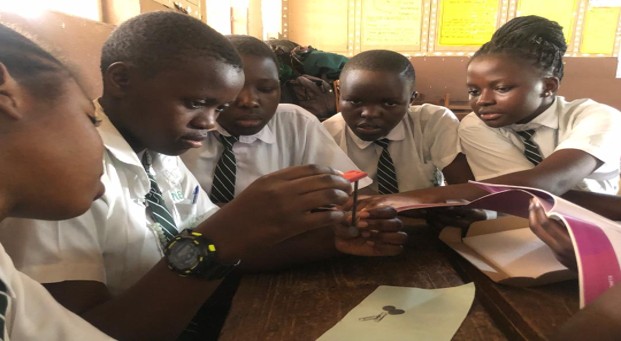
These observations reinforced a growing body of evidence that learner-centred pedagogies contribute significantly to improved engagement, deeper understanding, and stronger learning outcomes. They also highlighted the importance of equipping teachers with practical strategies that promote meaningful learner participation, even in challenging classroom environments.
Inclusion Means Recognizing and Nurturing Diverse Strengths
Another powerful lesson emerged from observations at Hill Preparatory School, where learners with special needs were engaged in practical vocational activities alongside their academic learning. Participants observed learners producing a range of items including door mats, table mats, handbags, baskets, beadwork, decorative flowers, wall hangings, and other reusable household products. Beyond developing practical skills, these activities fostered confidence, independence, creativity, and social inclusion.
The experience served as a reminder that inclusive education is not simply about ensuring access to school. It is about creating opportunities for every learner to explore and develop their unique abilities and reach their full potential. Effective pedagogy recognizes learner diversity and provides multiple pathways through which learners can succeed.
As education stakeholders continue to promote inclusive education, there is a need to strengthen teacher capacity to support diverse learning needs while creating learning environments that value and celebrate every learner.
Teachers Thrive When Professional Learning Is Continuous
Classroom observations were followed by conversations with teachers, providing valuable opportunities to discuss classroom realities, challenges, and solutions. Teachers shared experiences related to lesson planning, classroom management, learner assessment, and maintaining engagement in large classes. A common theme throughout the discussions was the importance of continuous professional development. While pre-service training provides an important foundation, teachers emphasized that ongoing support through coaching, mentorship, peer learning, and professional collaboration plays a critical role in improving classroom practice.
The discussions also highlighted the creativity and resilience of teachers who often improvise teaching and learning materials using locally available resources to overcome resource constraints.
These reflections underscore an important principle: teacher development should not be viewed as a one-time event but as a continuous process of learning, reflection, and improvement. Sustainable improvements in teaching quality require systems that support teachers throughout their professional journey.
Practical Learning Brings Concepts to Life
The guided visit to the Fundi Bots Innovation Centre provided members with a firsthand experience of how practical learning can transform classroom instruction. As members toured the facility, the Fundi Bots team demonstrated a range of STEM learning kits, robotics-based learning models, curriculum support materials, and innovative technologies used to make science and technology concepts more accessible and engaging for learners.
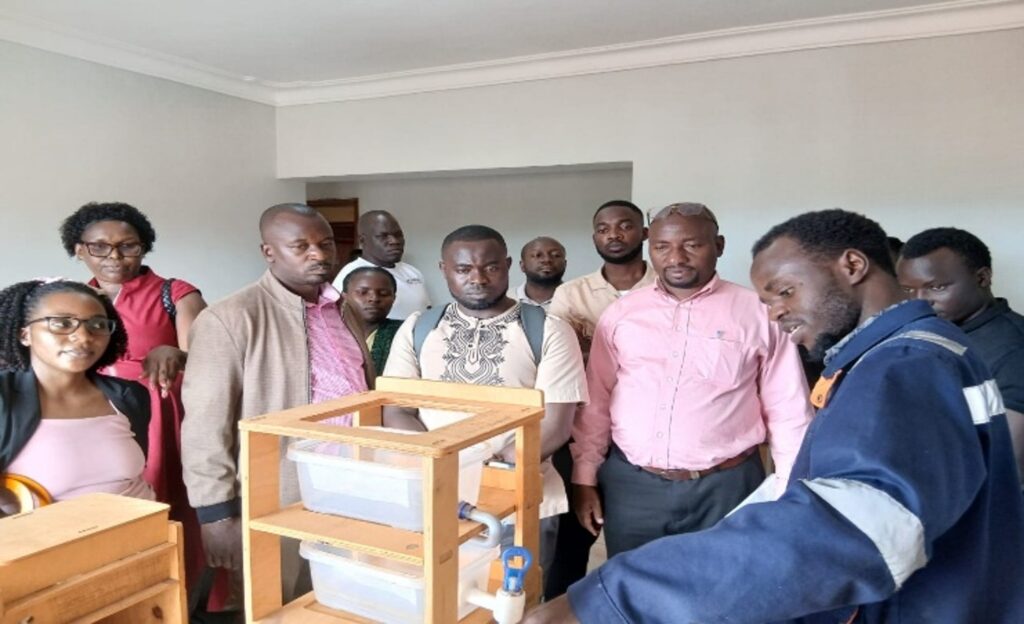
Through live demonstrations, members observed how learners can interact directly with educational tools and machines, moving beyond theoretical explanations to hands-on exploration and experimentation. The session also highlighted Fundi Bots’ approach to teacher training and how educators are supported to integrate practical STEM activities into everyday classroom practice.
The experience reinforced an important lesson: learners understand concepts more deeply when they actively engage with them. By seeing scientific principles brought to life through robotics, engineering activities, and interactive learning materials, participants gained a deeper appreciation of experiential learning approaches that foster curiosity, critical thinking, creativity, collaboration, and problem-solving skills. As education systems seek to prepare learners for the demands of the 21st century, such hands-on learning experiences remain essential for meaningful and lasting learning.
The Power of Collaboration in Advancing Education Quality
Beyond the classroom observations and innovation demonstrations, one of the most valuable aspects of the visit was the opportunity for organizations to learn from one another.
During the experience-sharing sessions, participating organizations reflected on their teacher development initiatives, successes, and challenges. Despite operating in different contexts, many identified common issues including limited resources, varying levels of teacher confidence, and the need for stronger systems of teacher support.
The discussions demonstrated the value of collaborative networks such as RELI Uganda in creating spaces where organizations can exchange ideas, share promising practices, and collectively address challenges facing the education sector. When organizations learn together, they not only strengthen their own programs but also contribute to broader improvements across the network and education ecosystem.
Looking Ahead: Strengthening Teacher Development Through Peer Learning
The peer learning visit reaffirmed that some of the most meaningful professional learning occurs when educators engage directly with practice. Observing classrooms, interacting with teachers, and reflecting collectively on what works provides insights that cannot be fully captured through workshops or training manuals alone.
The experience highlighted several key lessons: learner engagement flourishes when teaching is interactive, inclusive approaches unlock the potential of diverse learners, continuous professional support strengthens teaching quality, practical learning deepens understanding, and collaboration accelerates improvement.
As Uganda continues its efforts to improve education quality and learning outcomes, peer learning approaches offer a powerful pathway for strengthening pedagogical practice and teacher development. By creating opportunities for educators and organizations to learn from one another, the education sector can build a stronger culture of reflection, innovation, and continuous improvement.
Ultimately, when educators learn together, learners benefit. And when learning is shared, the impact extends far beyond individual classrooms to the broader transformation of education systems and outcomes.
“The most effective solutions to educational challenges are often found not in isolation, but through collaboration, reflection, and learning from practice.”
Author: Solomon Sebule (Country Coordinator, RELI Uganda)


